4 handy tips for using food vacuum sealers
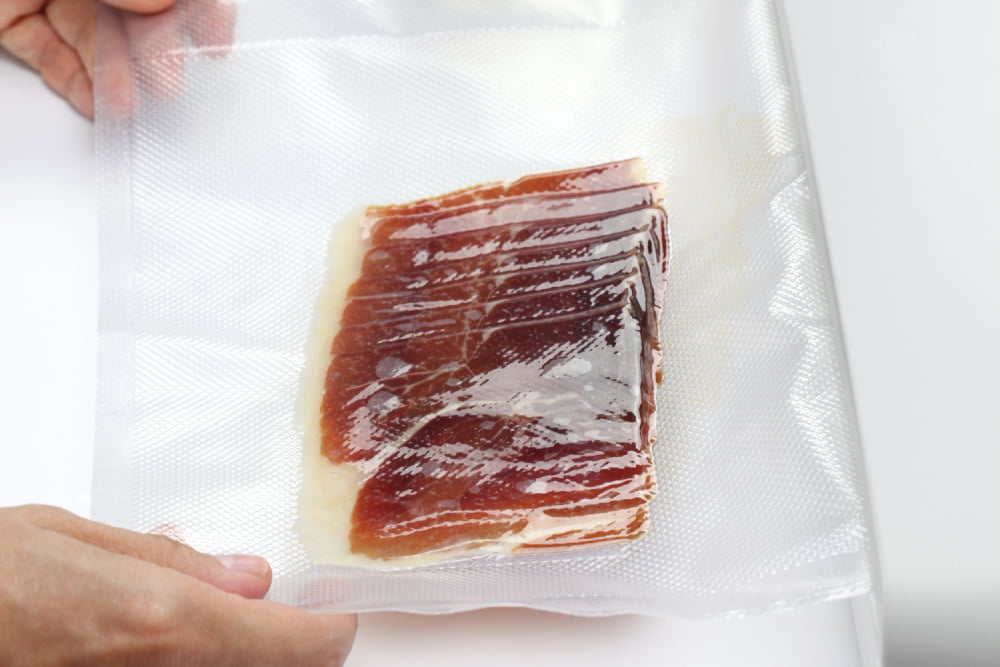
4 handy tips for using food vacuum sealers

When it comes to food storage, the importance of food vacuum sealers cannot be overstated. Sealers remove the air around the food, helping keep the food safe and hygienic for long periods. As food is perishable, vacuum sealing can keep air, moisture, dust, and other external elements at bay, increasing the shelf life of food by days, weeks, and even months. So, here are tips for using food vacuum sealers:

1. Freeze meats before sealing
Freezing meat can prolong its shelf life. So, when transporting meat, a crucial step to follow is to freeze the meat right before vacuum-sealing it. This helps prevent bacterial growth in the meat when it is being transported. The sealing should be done immediately after the freezing, as many bacteria thrive at room temperature. The combination of freezing and sealing helps make it easier to thaw the food and, by extension, makes meat-based dishes taste fresh and delicious. Following the right order in storing perishable items helps one make the most of vacuum sealers.

2. Cover sharp food edges with wax paper
Foods like beef jerky and dehydrated fruits or snacks can be challenging to store due to the thinness of the vacuum bags. They come with sharp edges, which can puncture the thin vacuum bags. In fact, heavy meats and food items can tear even thicker bags. To avoid punctures, one can use wax paper. The wax paper may seem delicate, but it is incredibly resilient and malleable. So, one can cover the sharp edges of the food using folded wax paper. This makes the vacuum sealer make the package as airtight as one wants without the possibility of food bags tearing apart in transit.

3. Inspect the seal regularly
As there is always a possibility of vacuum-sealed bags opening or coming apart over time, even with dual bags and wax paper uses, one should inspect the seal regularly. It is important to periodically look for missed openings or any air gaps. Sometimes, the seal can fall apart and its contents can leak into the fridge or storage container. So, regular inspection can help one avoid that outcome. If one notices holes or broken seals, they can simply cut the sealed section of the bag and reseal it.

4. Partially freeze fragile foods before sealing
Just like meats, fragile foods can also benefit from freezing before they are put into bags and sealed. For instance, fresh berries and fish can lose their shape and get crushed if they are sealed directly. Partial freezing can be carried out by placing foods in the freezer for one or two hours and then removing them when they seem firm. Then, one can vacuum seal them in bags. This two-step process helps foods become less susceptible to damage, especially if they are being transported. This also increases the shelf life of the foods. Additionally, freezing foods helps lock their nutritional value.

Vacuum sealers are a handy solution for storing food, and if one follows the abovementioned tips, they can get the most out of this tool.


Recommended

Learn about these 3 types of hearing loss

Learn about these 3 types of hearing loss

Hearing loss, deafness, or impairment is the partial or total inability to hear sounds. People with low to moderate hearing impairment face challenges in understanding what the other person is saying in a noisy environment. Whereas, people with severe deafness cannot hear anything, and rely completely on lip-reading and sign language skills. There are three main types of hearing loss: sensorineural, conductive, and a combination of both. Let’s understand these types in detail and learn about the causes, symptoms, and treatments of each type. Sensorineural hearing loss It’s the most common type of hearing loss. Sensorineural is permanent hearing loss often caused by damage to the tiny hair cells that line the inner ear or the auditory nerve. The damage stops or weakens the transfers of nerve signals to the brain. These signals are essentially the intensity and clarity of sounds. Causes: Aging and exposure to loud noises for a long period of time are the most common cause of the damage. Certain medications and illnesses can also increase risks. It can even be genetic, and pass on to the child in the mother’s womb. Treatment: There is no medical or surgical treatment available to repair the tiny hair cells once they’re damaged.
Simple lifestyle changes that reduce the risk of heart diseases

Simple lifestyle changes that reduce the risk of heart diseases

The heart is the most crucial organ in the body and as the system will cease to function if the heart stops or loses momentum pumping fresh oxygenated blood. This is why it is vital to not neglect your heart health at all and responsibly maintain a healthy, stress-free, and more importantly, a happy lifestyle. Here are a few simple lifestyle changes that will help support a healthy heart function. Switch to a healthy diet Avoid eating foods that are rich in trans and saturated fats. Most foods you find on the shelves of the supermarket contain large quantities of one or the other. Instead, switch to low-fat high fiber alternatives to help manage cholesterol. Maintaining a healthy cholesterol level in the body automatically reduces the risk of heart diseases. The simple reason for this is that fats that normally block major arteries and blood vessels are eliminated from these foods choices. It is also advisable to limit the salt (sodium) intake to control blood pressure and sugar to reduce the risk of diabetes simultaneously. Change certain lifestyle habits Reduce the number of alcoholic or carbonated drinks you have regularly. For men, it is advisable to have not more than two drinks and day and women must have only one.
How to distinguish between heartburn and GERD

How to distinguish between heartburn and GERD

Heartburn is an unpleasant, burning sensation in the chest that is more common than a lot of individuals realize. Pregnant women, older men, and even young adults experience it frequently. Despite it being such a prevalent experience, not many know that heartburn has actually nothing to do with the heart and everything to do with the stomach and the esophagus. Unsurprisingly enough, heartburn is also used interchangeably with GERD. But, before we get to deciphering heartburn and GERD, let’s understand what acid reflux is. What is acid reflux or GER? Acid reflux occurs when the lower esophageal sphincter or LES becomes weak, allowing the contents of the stomach to travel in the wrong direction, back up the esophagus. Acid reflux is also called GER or gastroesophageal reflux as it involves the stomach and esophagus. This condition can usually be resolved with over-the-counter medication. What is heartburn? Heartburn is a burning or painful sensation that is experienced in the chest. Since the lining of the esophagus is not as strong as the lining of the stomach, the acid from the stomach can cause a burning sensation in the chest. This pain or burning sensation that is heartburn can often be misconstrued for a heart attack.
5 common joint conditions and how to treat them

5 common joint conditions and how to treat them

A joint or articulation is made from two bones that aid the body in movement. There are many forms of joint conditions, which, in many cases, arise from the wear and tear of bones. Arthritis is one of the major and most common health conditions in the country, and its intensity increases with age. Here are some common types of joint conditions that you need to know: Osteoarthritis With almost 10 percent of men and 13 percent of women aged over 60 suffering from osteoarthritis, it is one of the most prevalent joint conditions in the country. Osteoarthritis occurs due to the wear and tear of the cartilages that protect the ends of bones. It commonly affects joints of the spine, hands, hips, and knees. If left untreated, this wear and tear of the cartilage soon leads to bone degeneration, thereby affecting flexibility and range of movement. Treatment for osteoarthritis depends on its severity and the patient’s age. Mild symptoms can be treated through medications, physiotherapy, and changes in lifestyle, whereas moderate to severe cases may require surgical intervention. Spondyloarthritis Spondyloarthritis, also referred to as spondyloarthropathy, is a type of rheumatic disease that causes inflammation in various joints. There are two types of spondyloarthritis—axial spondyloarthritis, which causes inflammation of the joints in the chest, spine, and hip bone, and peripheral spondyloarthritis, which causes inflammation in the fingers, knees, and toes.